
Back Pain
Back pain is one of Australia's most common musculoskeletal conditions, affecting up to 4 in 5 Australians at some point in their lives. It is a leading cause of disability worldwide and can impact physical activity, work capacity, mental wellbeing, and overall quality of life.
In 2020-21, an estimated $3.4 billion was spent on the treatment and management of back problems in Australia.
What is Back Pain?
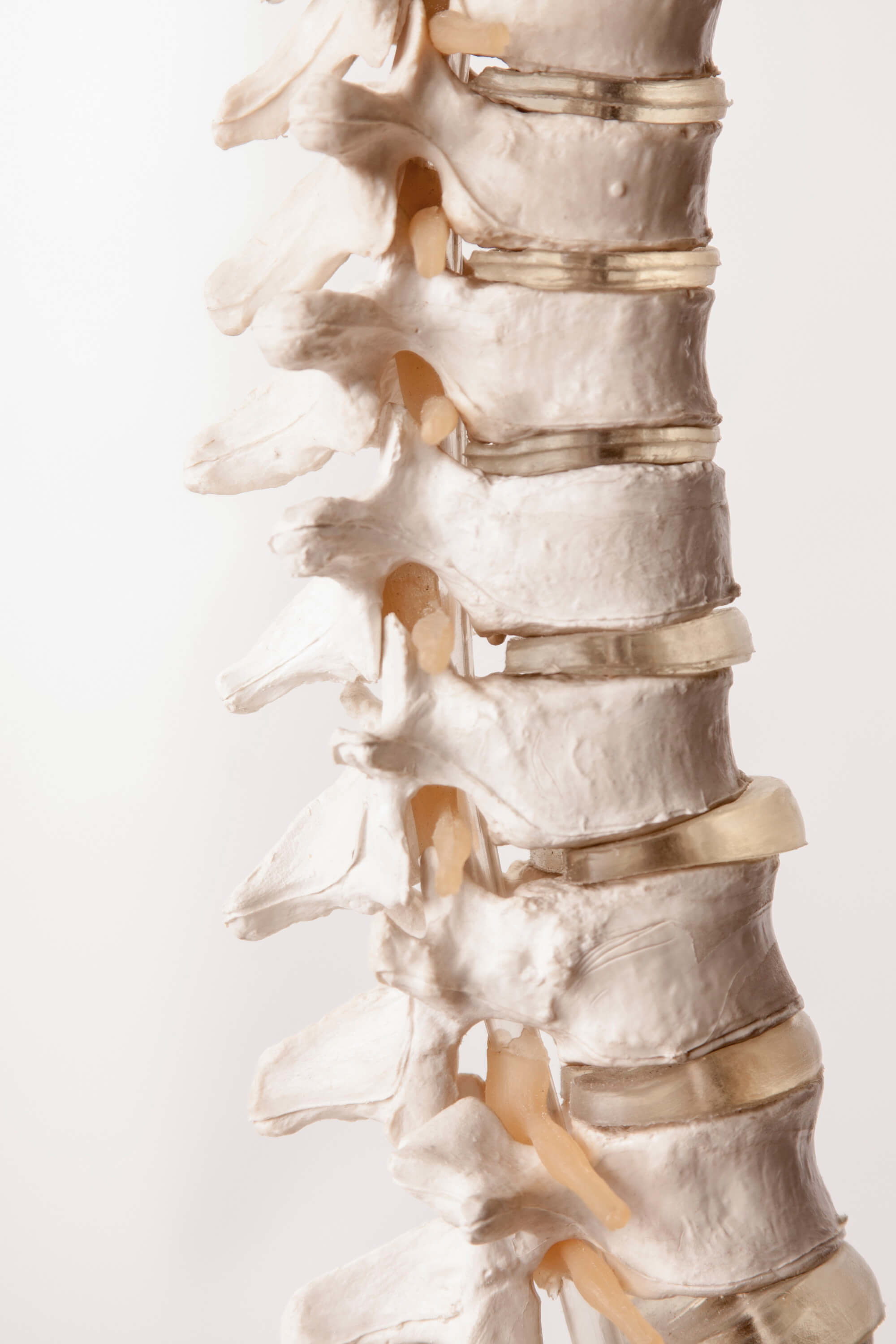
Back pain can involve the muscles, joints, discs, ligaments, connective tissues, and nerves of the spine. It may affect the neck (cervical spine), upper back (thoracic spine), or lower back (lumbar spine).
For about 8 in 10 Australians who suffer back pain, it’s not caused by any particular condition – this is called ‘chronic primary low back pain’ (also known as non-specific low back pain) which is most common in people aged 35 to 55 years, but it can affect people of all ages.
Back problems can cause lost social and physical activity, concentration and work capacity and are a significant cause of disability and lost productivity.
Common Symptoms
Back pain is very common with 1 in 6 Australians reporting having back problems at any one time, that can impact both their physical and mental health. For many, back pain can arise suddenly (acute back pain) but typically improves or resolves within three to six weeks. However, recurrence is common, and some individuals may experience more persistent pain lasting beyond three months.
Back pain can present in different ways, including:
- Pain, stiffness, or soreness in the back or neck
- Difficulty bending, twisting, or moving comfortably
- Muscle spasms
- Pain that radiates into the legs, such as with sciatica
- Reduced mobility and daily function
Persistent back pain may also affect mood, concentration, and overall wellbeing.
What Causes Back Pain?
Back pain can result from a range of factors, including:
- Muscle or ligament strain
- Repetitive bending, lifting, or twisting
- Prolonged sitting and poor posture
- Physical inactivity
- Excess body weight
- Age-related changes
Stress can also be a factor along with a range of medical conditions including disc problems, arthritis or osteoporosis.
Who is at Risk?
Working Australians who do a lot of physical work are among the highest percentage of Australians at risk of back pain because their work typically involves strenuous activities that strain the spine including lifting and repetitive actions such as bending, squatting or standing for extended periods – all can lead to musculoskeletal injuries causing back pain.
Older Australians, particularly those aged over 65 years, are more likely to develop chronic low back pain.12 Low back pain is the most common health problem among older Australians that can restrict activities and limit overall enjoyment of life.
Inactive Australians who don’t exercise and spend long hours sitting can develop poor posture, weight gain and musculoskeletal problems which, if left untreated, can lead to chronic back pain.
Managing Back Pain
Current clinical guidelines recommend staying active and using a range of non-surgical approaches to manage back pain. Although pain medications may offer temporary relief from back pain, recent academic studies reveal that opioids, commonly prescribed for this purpose, do not relieve acute low back or neck pain (lasting up to 12 weeks), and may even exacerbate the condition leading to increased pain.
Regular movement, exercise, healthy lifestyle habits, and professional healthcare advice can all play an important role in managing back pain and supporting spinal health.
How Chiropractors Can Help
Chiropractors are five-year university educated healthcare professionals who treat a range of musculoskeletal disorders including back pain.
Using evidence-informed, non-surgical approaches, chiropractors aim to improve joint mobility, reduce stiffness, and support musculoskeletal function. They may also provide advice on posture, exercise, workplace ergonomics, and lifestyle factors that can help support spinal health and overall wellbeing.
If back pain is affecting your daily activities or quality of life, speaking with a qualified healthcare professional can help you understand your options and develop an appropriate management plan.
Every week, more than 400,000 chiropractic consultations help everyday Australians maintain their spinal health.